
Missed Call? Text Back!
Missed Call? Text Back! Why Customers Prefer Doing Business Over Text
The Shift: Customers Want Texting
78% of customers say they prefer texting with businesses over any other communication form, when given the choice.
63% of U.S. consumers say they would switch to a company that offers texting as an option.
72% are more likely to order from a business or shopping site that keeps them in the loop with real-time chat.
Why Traditional Phone Calls Fall Flat
Waiting Stinks:
In one survey, 80% of people admitted they’ll just hang up if they don’t get a quick answer.
92% expect to be stuck waiting at least five minutes before reaching a human.
Phone Anxiety is Real:
75% of millennials avoid phone calls entirely—they say it’s stressful and time-consuming.
Even outside the millennial group, more and more people would rather not talk unless they have to.
Disruption and Inconvenience:
Calls can be super disruptive. You have to stop everything and focus on the conversation.
If the call is missed, the onus is on the customer to try again (which often means they don’t).
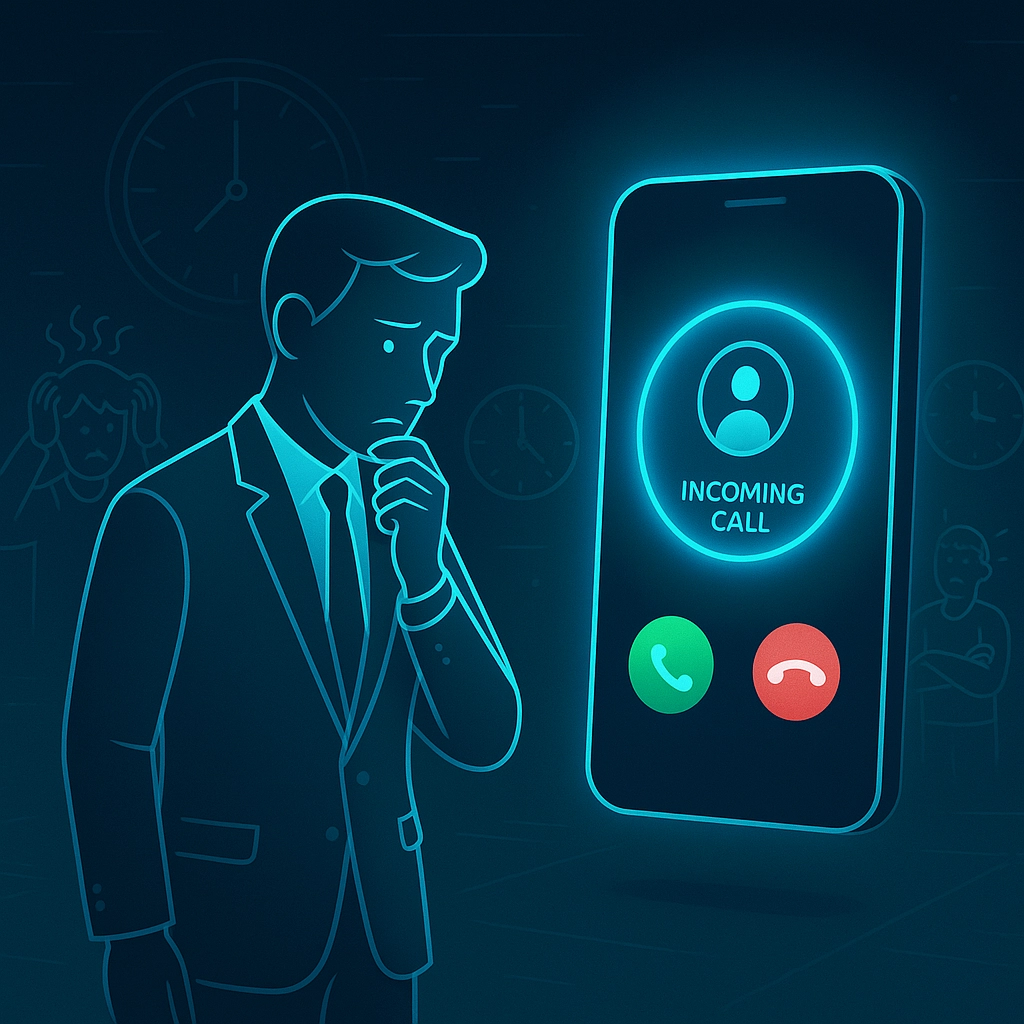
Texting: The Advantages
Speed: 95% of texts get a reply within three minutes. That’s almost instant.
Attention: Texts have nearly a 100% open rate—way higher than email or voicemail.
Less Pressure: Texting feels low-stakes. There’s less social pressure, awkwardness, or chance of forgetting why you called.
The Power of Missed Call Text Back
A simple message like that does wonders:
Instant Engagement: The customer gets immediate acknowledgment. They know you saw them.
Fewer Lost Leads: Even after hours, you keep the conversation alive.
More Conversions: People don’t have to remember to call back—they can just text their question or order right then and there.
Modern Vibe: It shows your business is attentive, modern, and cares about making things easy.

When Is Missed Call Text Back a Game-Changer?
Honestly, almost any industry benefits from this—but here are a few especially big winners:
Political Campaigns & Offices: Voters or supporters reach out and instantly get looped into a text exchange, making follow-up and sign-up a breeze.
Healthcare Providers: Patients can confirm, reschedule, or ask questions without wading through endless reception queues.
Service Businesses (HVAC, Salons, Law Firms): Bookings, questions, and rescheduling all flow through text—fewer missed opportunities.
Retail & E-commerce: Orders, shipping notifications, or support are all handled faster, keeping buyers happy.
How Missed Call Text Back Works
Real-world Wins: Data & Stories
Let’s look at some real numbers and situations:
Businesses using text-back see up to a 60% drop in voicemail volume, and service requests are handled nearly twice as fast.
In one study, clinics using missed call text-back reduced front desk callback workload by 35%—saving hours of staff time every week.
Political campaigns running text follow-ups have improved volunteer sign-ups and supporter engagement by as much as 40%.

Making the Switch: How to Start
Ready to stop letting your voicemails turn into lost business? Here’s a quick roadmap:
Get the right tech: Make sure your phone system or CRM can trigger automated texts for missed calls (or work with a partner like Caldera Creative who can help set this up).
Craft your messages: Keep them friendly, short, and focused on how you want the customer to engage (“Text us your question”, “We’ll call you back”, etc.).
Train your team: Even if you automate a lot, someone needs to monitor and jump in to handle more complex replies.
Promote your text option: Let customers know you take texts—put it on your website, business cards, forms, and social profiles.
Monitor and improve: Check how many texts convert to resolved requests or sales, and tweak your system as you see what works.
If you want expert help, check out our resources atCaldera Creative—we’re all about making business easier for you and your customers.
